

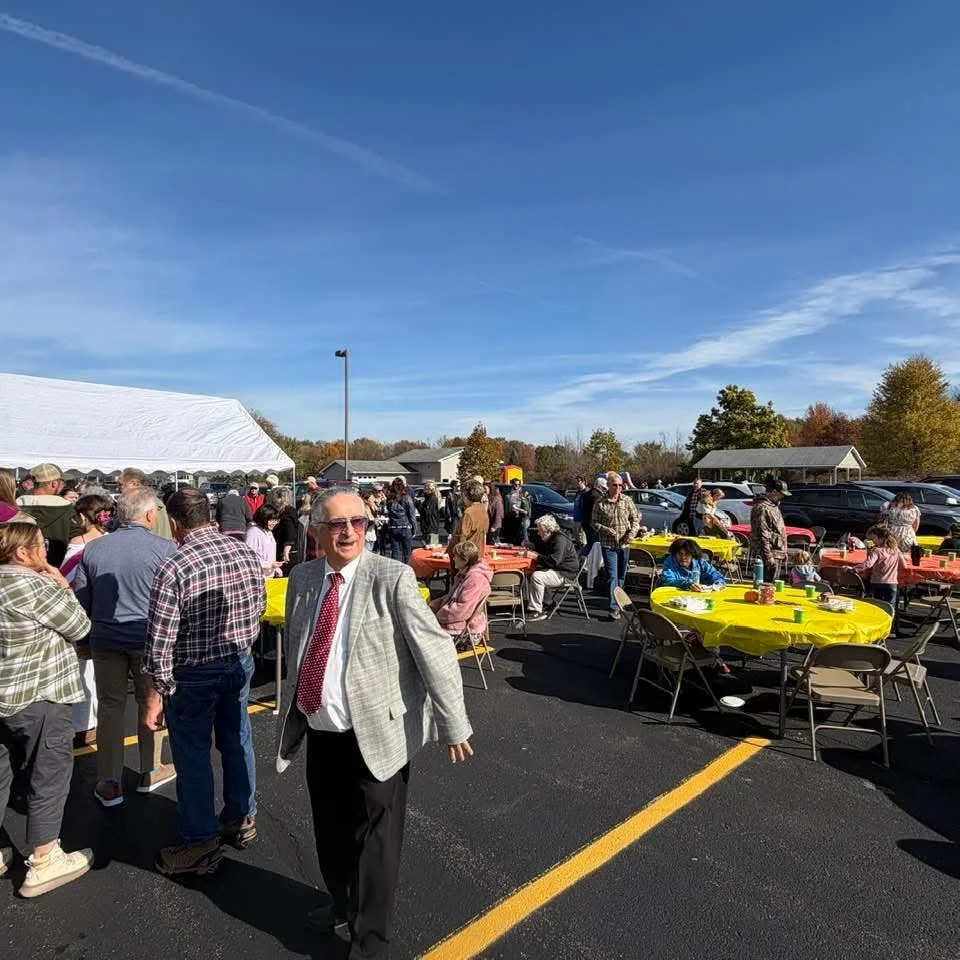
“I would just ask churches one question: ‘Are you hungry for more?’ Even if a church believes it’s healthy, the Malphurs Strategic Envisioning process will make you healthier,” stated Anthony Ferriell, senior pastor of Crossroads Community Church in St. Clair, Michigan.
A healthy church is not a church that has arrived. It is a church that remains committed to growing, making disciples, and faithfully pursuing the mission God has given it.
That is at the heart of the Missionary Church’s Healthy Churches Strategic Initiative: helping existing churches evaluate where they are, identify opportunities for growth and greater alignment, and become stronger as they pursue their mission.
For Ferriell, the Malphurs process became a tool to help his church do exactly that. After eight years as senior pastor, Ferriell saw value in stepping back and intentionally evaluating the church, not because Crossroads was struggling, but because even healthy churches can continue to grow healthier.
The Malphurs process provided Crossroads with an intentional framework for examining its ministry, discipleship, and mission alignment. Rather than giving churches a predetermined program or formula for growth, Malphurs provides principles and tools to help churches evaluate how their ministries work together. For Crossroads, that meant looking at worship, community life and outreach, and asking how each area connects to the larger mission of making disciples.

Ferriell described the process as similar to cleaning out a garage. Over time, a garage can accumulate things that were never part of its original purpose. Churches can experience something similar as programs, practices and traditions accumulate. Malphurs helped Crossroads step back and consider whether its ministries were still aligned with its intended purpose.
The process also provided an outside perspective that Ferriell found both challenging and valuable. Looking at the church through different lenses helped Crossroads identify opportunities that might have been difficult to see from within.
The result was not a new identity or programs for Crossroads. It was greater clarity.
“It didn’t change us, it refined us,” Ferriell said. The process helped the church align what it was already doing “in a much clearer, more understandable fashion.”
That refinement has translated into greater intentionality. The Crossroads Community Life Team clarified the role of Connect Groups in their discipleship pathway and developed a focused plan to increase engagement. By improving communication, simplifying the sign-up process, and equipping leaders to personally invite others, the Community Life Team saw a 30% increase in Connect Group participation in 90 days. This early growth demonstrated the impact of clarity, communication, and ownership. As an added result, existing volunteers were going deeper, and the church found itself with new volunteers as well.
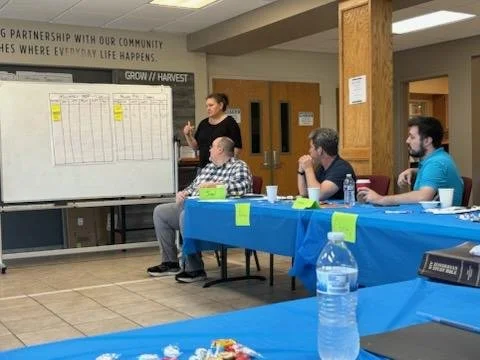
Ferriell believes this is a process worth revisiting regularly. He suggested that churches should intentionally evaluate their health and mission alignment every 4-5 years, using the process as a prayerful opportunity to ask what God may be leading them toward next.
The Missionary Church Healthy Churches Strategic Initiative is ultimately about that kind of intentionality: supporting churches to become increasingly focused and more effective in making disciples.
*For churches considering their own path toward greater health, the Missionary Church has provided training for each region to have a certified Malphurs Guide. Interested churches should contact their regional director to learn how to take advantage of the resources available through this partnership. Pastors and staff are also able to visit the Missionary Church’s Malphurs resource page for more information.